

Engineering is often thought of as something entirely created by humans built through creativity, calculations, and technical skill. Yet, long before the first machine was ever designed, nature had already solved many of the challenges engineers face today. Birds glide through the air with ease, fish move smoothly through water, and plants grow strong while using surprisingly little material. These everyday natural examples quietly demonstrate efficiency at its best.
Biomimicry in mechanical design is about paying attention to these lessons. It involves studying how nature works and using those ideas to shape better engineering solutions.
Instead of forcing designs onto the environment, biomimicry invites engineers to work alongside nature. This thoughtful approach leads to mechanical systems that feel more intuitive systems that are efficient, sustainable, and designed to perform well over time.
Biomimicry Design: Building the Foundation
Biomimicry design is all about learning from nature its forms, functions, and processes to solve engineering challenges. In mechanical design, this means watching how living organisms move, maintain stability, stay flexible, or withstand stress, and then translating those lessons into machines and systems.
Nature is incredibly efficient; it rarely wastes energy or materials. Bones, for example, are hollow yet strong; bird wings adjust continuously to airflow; and fish bodies glide through water with minimal resistance. These natural solutions offer engineers ready-made inspiration for smarter, more efficient designs.
As the Biomimicry Institute explains, nature serves as a model, a mentor, and a measure teaching us how to create systems that are not only functional but also sustainable and long-lasting. By following these principles, mechanical engineers can design technologies that work with the world around them rather than against it.
Biomimicry in Practice: Mechanical Designs Inspired by Nature
Biomimicry has quietly shaped many of the products and technologies we use every day. By observing how nature solves complex problems—through structures, materials, and processes refined over millions of years—designers and engineers have found efficient, sustainable, and elegant solutions for human needs. From movement and airflow to strength and self-cleaning surfaces, natural systems often outperform man-made ones, making them a powerful source of inspiration in modern design. As a result, many familiar products are directly influenced by plants, animals, and natural phenomena, often without us even realizing it.
The following is a list of products whose designs are influenced by biomimicry.
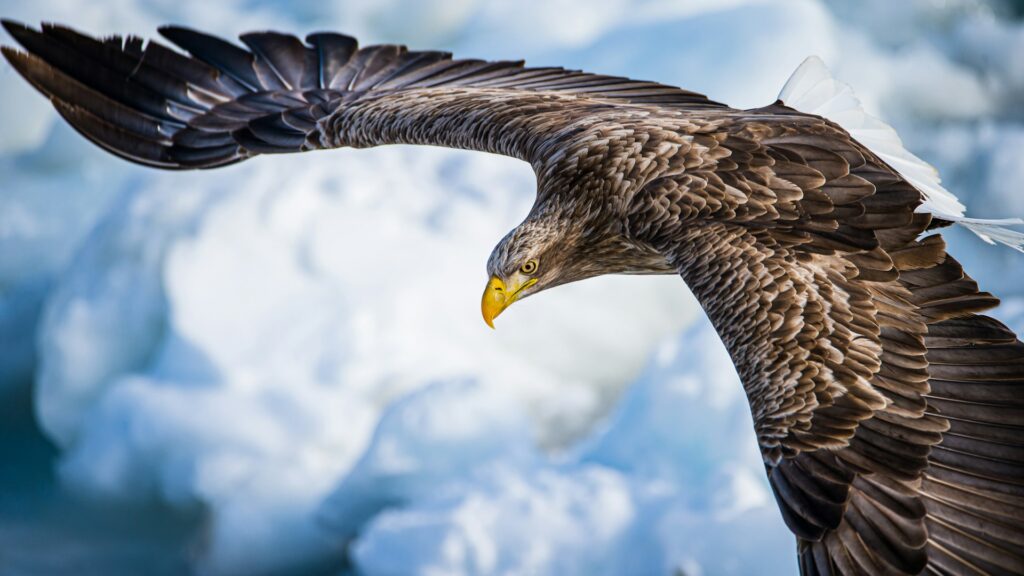
1. Aircraft Wings Inspired by Eagle Wings
Eagles are masters of flight, able to glide effortlessly for miles without even flapping their wings. They achieve this by constantly adjusting the curvature and angle of their wings, responding to air currents in real time. This remarkable ability allows them to conserve energy while maintaining stability and control even in turbulent conditions.
Engineers, fascinated by these natural adaptations, have studied the flight mechanics of eagles to improve aircraft design. Modern airplane wings now use curved airfoils that generate lift efficiently, mimicking the way an eagle’s wing works in flight.

In addition, winglets at the tips of airplane wings are inspired by how birds spread their feathers at the edges. These winglets reduce turbulence and drag, making airplanes more stable, easier to control, and more fuel-efficient. By translating nature’s subtle solutions into technology, engineers have created aircraft that are not only safer but also more environmentally friendly.
2. Bullet Trains Inspired by the Kingfisher’s Beak
Japan’s high-speed bullet trains were once famous not only for their speed but also for a surprising problem: when exiting tunnels, they created a loud, disruptive noise caused by sudden air pressure changes. This “tunnel boom” was a challenge for engineers, as it affected nearby communities and limited the trains’ operational efficiency.
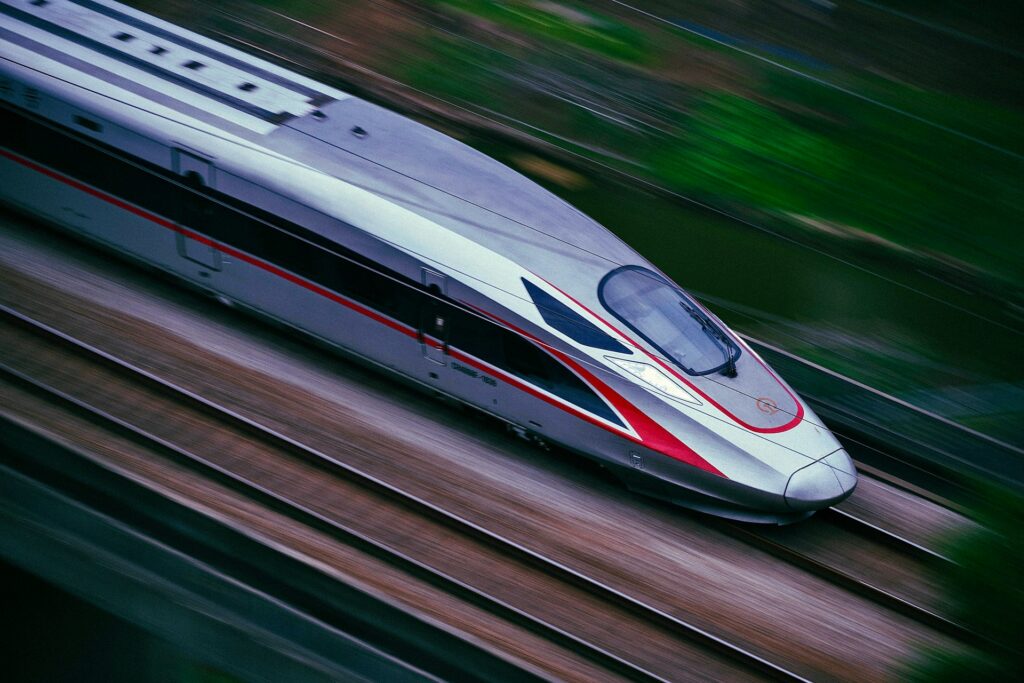
The solution came from an unexpected source: the kingfisher bird. Kingfishers have long, pointed beaks that allow them to dive into water with almost no splash. Observing this natural design, engineers realized that shaping the nose of the train like a kingfisher’s beak could reduce air resistance and pressure changes.
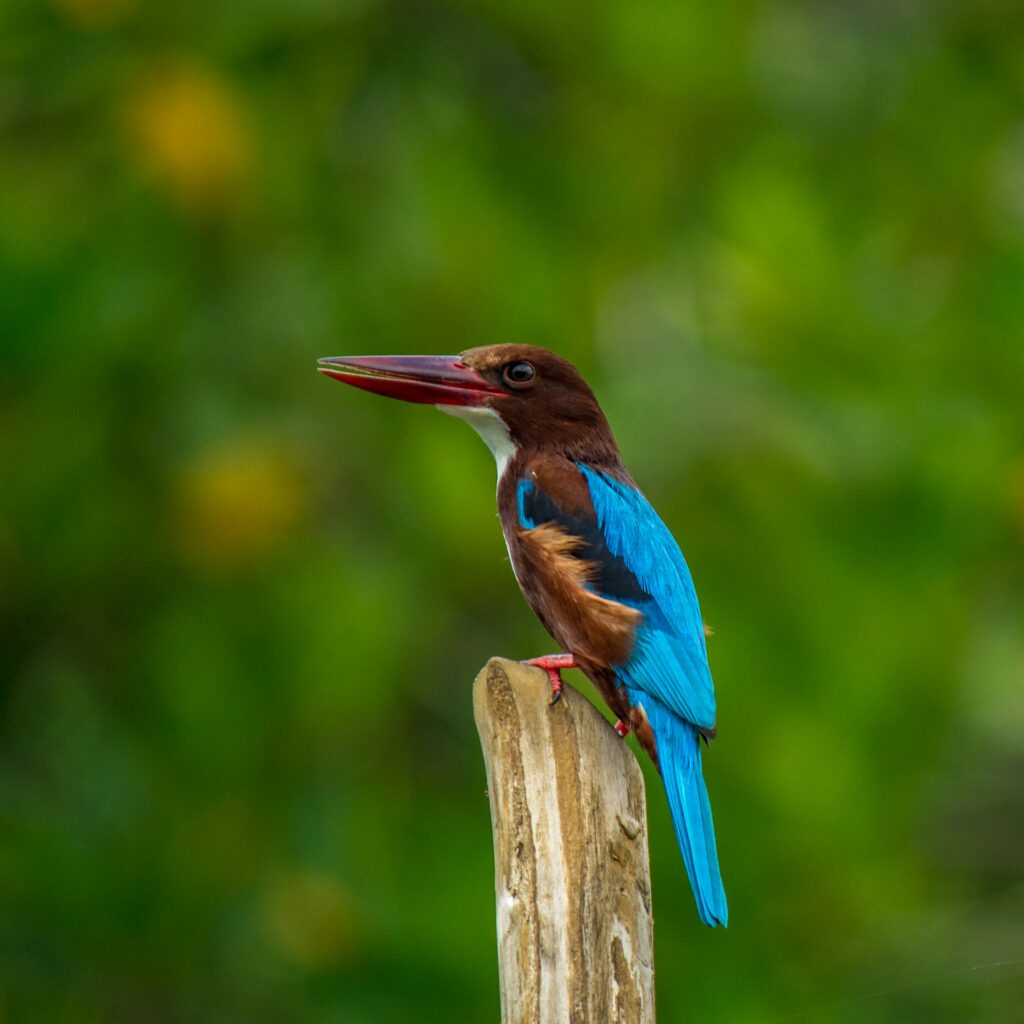
By applying this biomimicry-inspired design, the new trains became quieter, faster, and more energy-efficient. The redesigned nose not only reduced the tunnel boom but also allowed the trains to glide through the air more smoothly, demonstrating how nature’s principles can solve even high-tech engineering challenges.
3. Velcro Fasteners Inspired by Burr Seeds
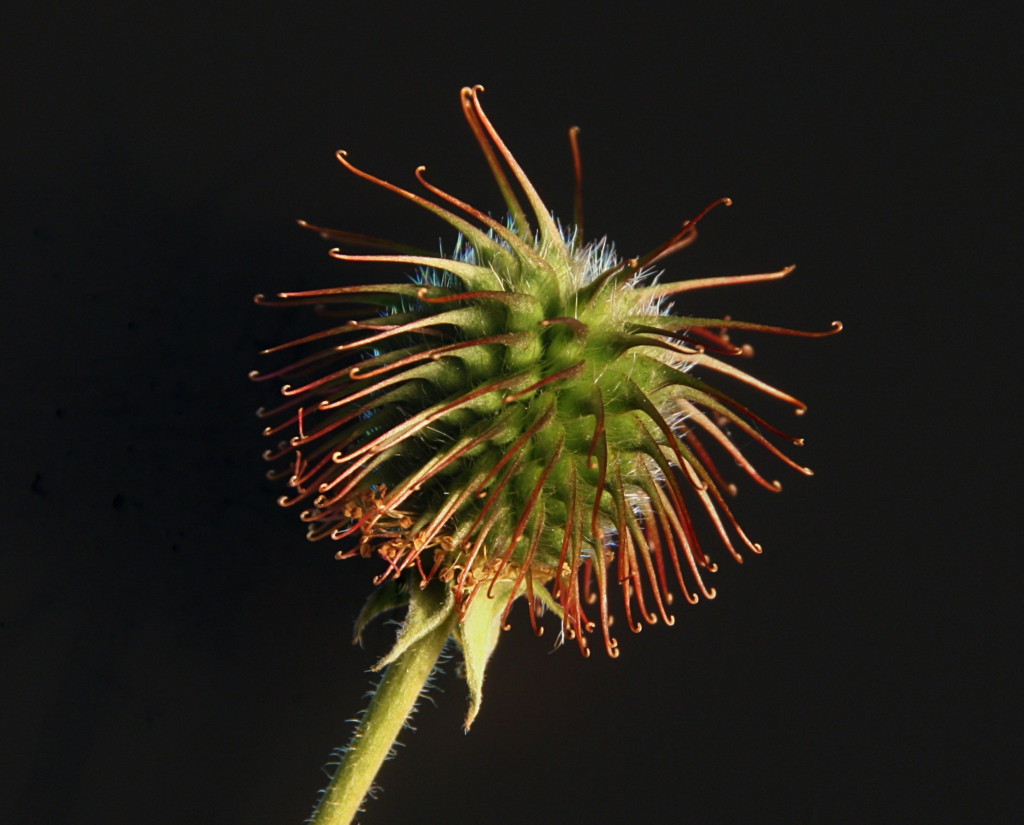
One of the most famous examples of biomimicry is Velcro: a simple invention inspired by nature. The story begins with burr seeds, which naturally cling to animal fur using tiny, hook-like structures; this clever mechanism allows the seeds to travel and spread far from the parent plant.
An observant engineer noticed this natural design and realized it could be applied to human use. By mimicking the hooks and loops found on burrs, Velcro was created a reusable fastening system that is now used everywhere: from clothing and shoes to medical devices and even aerospace equipment.
This example perfectly shows how careful observation of nature can transform a small, everyday phenomenon into a practical, world-changing technology.
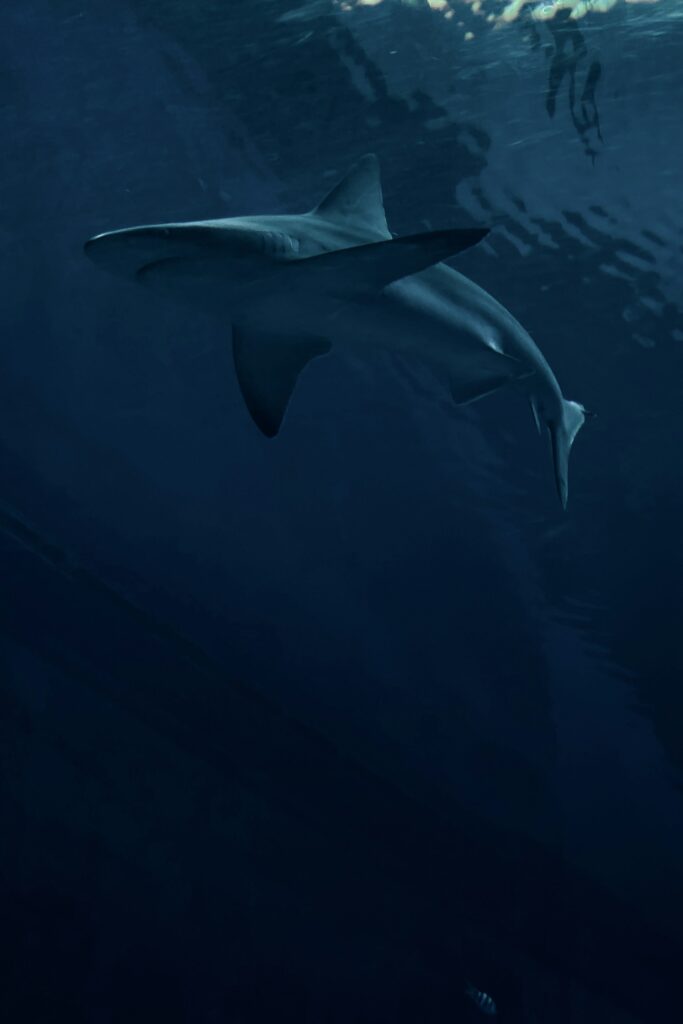
4. Streamlined Vehicles Inspired by Fish and Sharks
Fish and sharks are naturally built for movement through water. Their streamlined bodies and smooth surface structures allow them to glide forward with very little resistance, conserving energy while maintaining speed and control. Over millions of years, evolution has refined these shapes to work perfectly within fluid environments.
Mechanical engineers have learned valuable lessons from these natural designs. By studying how fish and sharks reduce drag, engineers apply similar principles when designing vehicles, high-speed trains, submarines, and even racing cars. Streamlined shapes help air or water flow smoothly around the body, reducing resistance and improving overall performance.
As a result, these biomimicry-inspired designs move faster, consume less fuel, and operate more efficiently. Once again, nature proves that well-balanced design is not about force, but about harmony with the surrounding environment.
5. Wind Turbine Blades Inspired by Whale Fins
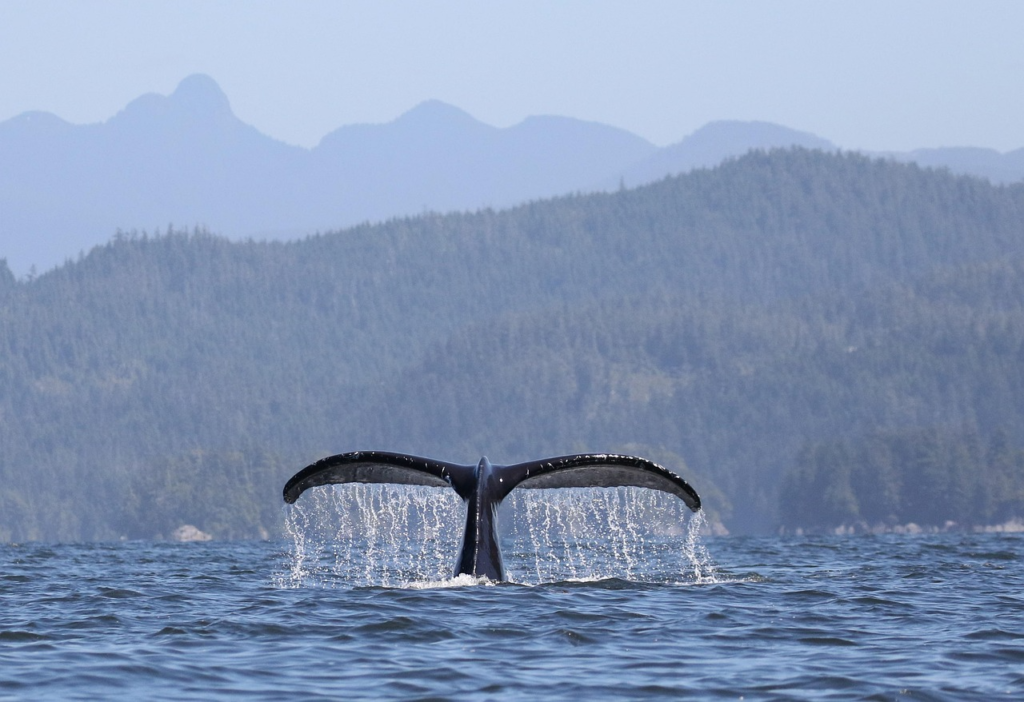
Humpback whales are known for their size and grace, but one of their most fascinating features is found on their fins. Along the edges of these fins are rounded bumps, known as tubercles, which may look unusual at first glance but play a vital role in how the whale moves through water. These tubercles help improve lift and give the whale greater control, even in rough or turbulent conditions.
Engineers saw an opportunity in this natural design. By studying how tubercles guide water flow, they adapted the same concept for wind turbine blades. The addition of similar bumps along the blade edges allows turbines to operate more efficiently especially at lower wind speeds; it also improves stability and reduces energy loss. As a result, biomimicry-inspired turbine blades can generate more power while using the same resources. This example clearly shows how observing nature’s subtle details can lead to smarter, more efficient engineering solutions
Why Biomimicry Is Important for Mechanical Engineering
Biomimicry plays an important role in modern mechanical engineering because it offers solutions that are naturally efficient, durable, and sustainable. By studying systems that have evolved over millions of years, engineers gain access to design principles already optimized for performance. These principles help reduce material use, lower energy consumption, and improve overall efficiency.
The result is often lighter structures, better-performing machines, and mechanical systems that last longer with less environmental impact.
As industries face growing challenges such as rising energy demands, environmental concerns, and limited resources biomimicry provides a practical and forward-looking path to innovation. By learning from ecosystems rather than working against them, mechanical engineers can create technologies that are not only technically advanced but also environmentally responsible and better suited for the future.
Conclusion
Biomimicry in mechanical design reminds us that nature is, in many ways, one of the greatest engineers of all. From aircraft wings inspired by the flight of birds to fastening systems modeled after simple plant seeds, countless everyday technologies exist because engineers took the time to observe and learn from the natural world.
These examples show that innovation does not always begin in a laboratory; sometimes, it begins by carefully watching how nature solves problems.
By applying nature’s principles, mechanical engineers can create systems that are not only efficient and reliable but also sustainable and thoughtfully designed. As technology continues to evolve, the partnership between nature and engineering will become increasingly important helping shape solutions that respect the environment while meeting human needs.
In this balance between innovation and nature lies the future of smarter, more sustainable mechanical design.