
Engineering breakthroughs rarely emerge from calm, flawless progress. More often, they are forged through mistakes, emergencies, and disasters that painfully expose what we don’t yet understand. Throughout the 20th century, several high-profile engineering failures shook public confidence and revealed weaknesses in design, testing, and oversight. While tragic, these events became powerful turning points, engineers, regulators, and researchers were forced to ask difficult questions, rethink assumptions, and redesign the way systems are built and managed.
This article explores five landmark failures and demonstrates how each reshaped modern engineering practices, ultimately making the world safer and more resilient.
1. Tacoma Narrows Bridge Collapse (1940)
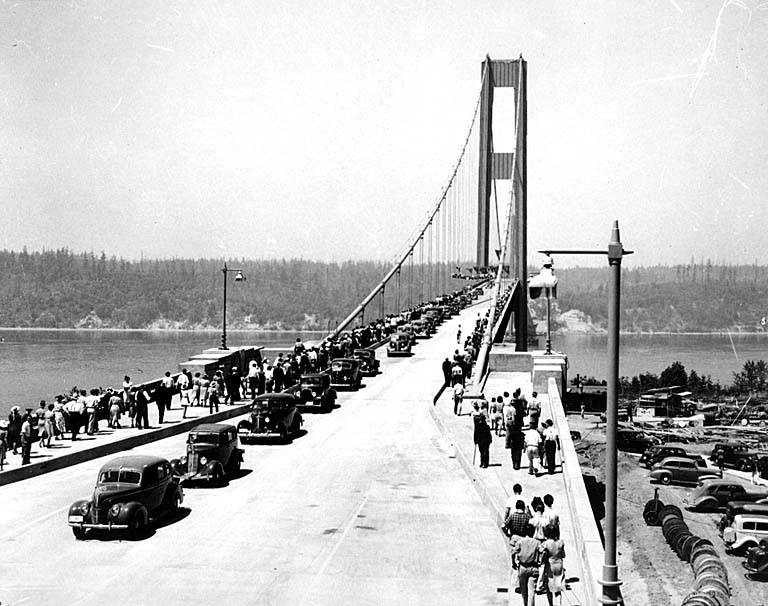
When the Tacoma Narrows Bridge opened in Washington State in July 1940, it was celebrated as a symbol of modern engineering and elegance. Locals affectionately nicknamed it Galloping Gertie because of the dramatic way the roadway swayed in the wind. Just four months later, that graceful motion turned dangerous. Under winds that were not unusually strong, the bridge began to twist and ripple violently. The roadway buckled, folded, and ultimately tore itself apart—behaving in ways engineers had never fully predicted. Traditional design methods, which focused on static loads, failed to account for how wind and motion could interact, revealing a critical blind spot in engineering understanding. Then on 7th of November 1940, bridge totally collapsed.
The collapse highlighted the phenomenon of aero elastic instability, showing that wind does more than push a structure—it can interact with its shape and motion in powerful, unpredictable ways. The lasting lesson was clear: suspension bridges must be designed to handle movement and vibration caused by wind, not just the weight of vehicles and the structure itself.
In response, bridge engineering adopted rigorous aerodynamic evaluation methods. Wind-tunnel testing became a standard requirement for long-span bridges, enabling engineers to analyze aero elastic behavior under simulated conditions. Design standards were updated to incorporate aerodynamic damping, torsional stiffness, and dynamic response considerations—principles that form the foundation of modern suspension bridge design.
2. De Havilland Comet (1950s)

Before the Boeing 707, the De Havilland Comet became the world’s first commercial jet airliner, promising faster and more comfortable flights in the early 1950s. Tragically, within a few years, several parts of the aircraft broke apart mid-air. Investigations revealed the culprit: metal fatigue. Repeated pressurization and depressurization caused tiny cracks in the fuselage, particularly around sharp corners of square windows and cut-outs. Over time, these cracks grew, leading to sudden fuselage failure. The most prominent incident was BOAC Flight 781 was a scheduled British Overseas Airways Corporation passenger flight from Singapore to London. On 10 January 1954, this passenger jet operating the flight suffered an explosive decompression at high altitude and crashed, killing all 35 people on board.
Lessons from these accidents permanently reshaped aviation engineering:
- Rounded windows became standard to reduce stress points and prevent cracks.
- Full airframe fatigue testing over an aircraft’s expected life cycle is now routine.
- Engineers adopted fail-safe and damage-tolerant designs, ensuring that even if part of a structure is damaged, it won’t cause catastrophic failure.
3. Hyatt Regency Walkway Collapse (1981)
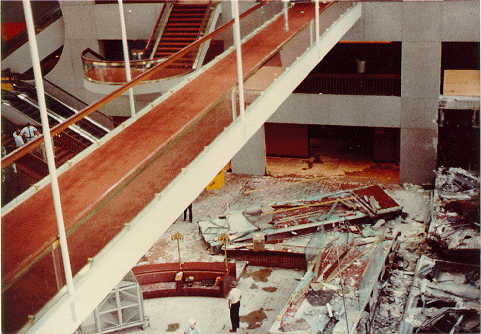
In July 1981, tragedy struck at the Hyatt Regency Hotel in Kansas City, Missouri. Two overhead walkways in the hotel lobby collapsed onto a crowded dance party below, killing 114 people and injuring hundreds more.
Investigations revealed that the disaster stemmed from a simple design change. The modification in the walkway connections doubled the load on critical rods, and this change was never properly reviewed or recalculated.
Key lessons for the engineering community included:
- Peer review matters: Every design change must be independently checked and fully documented.
- Clear communication: Fabricators, designers, and reviewers must ensure drawings and instructions are final and understandable.
- Ethics and accountability: Professional standards were strengthened. Today, structural engineers are generally held responsible for reviewing and approving shop drawings.
4. Space Shuttle Challenger Disaster (1986)

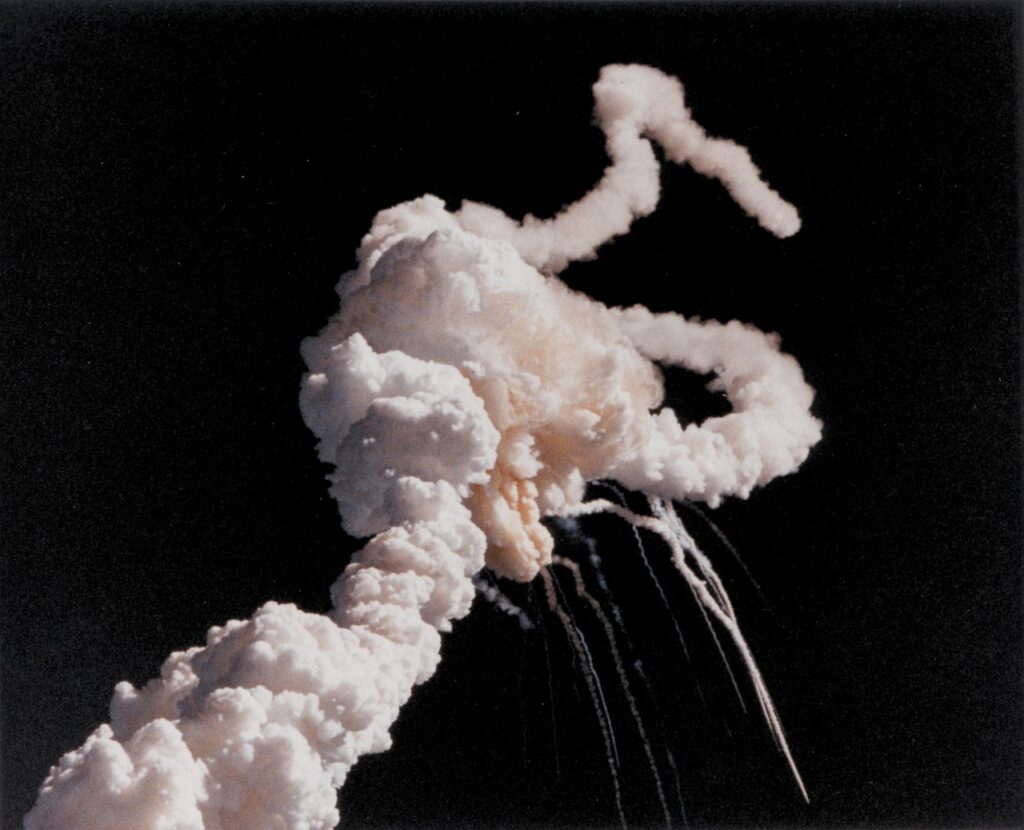
The Space Shuttle Challenger disaster remains one of the most widely known engineering tragedies. Just 73 seconds after liftoff, the shuttle broke apart due to an O-ring failure caused by unusually cold temperatures. This demonstrated a critical engineering lesson: materials behave differently under varying environmental conditions, and every mission-critical component must be tested under real operating ranges.
Equally important were the organizational lessons. Engineers had raised concerns about the low temperatures before launch, but their warnings were not effectively communicated through the chain of command. The disaster was therefore both a technical failure and a failure in communication, risk management, and decision-making.
NASA and the aerospace community responded by:
- Expanding environmental testing to ensure hardware performs safely under all expected conditions.
- Formalizing risk communication protocols within organizations to ensure concerns are properly escalated and addressed.
- Emphasizing that system safety relies on both hardware performance and effective teamwork.
5. Chernobyl Nuclear Disaster (1986)
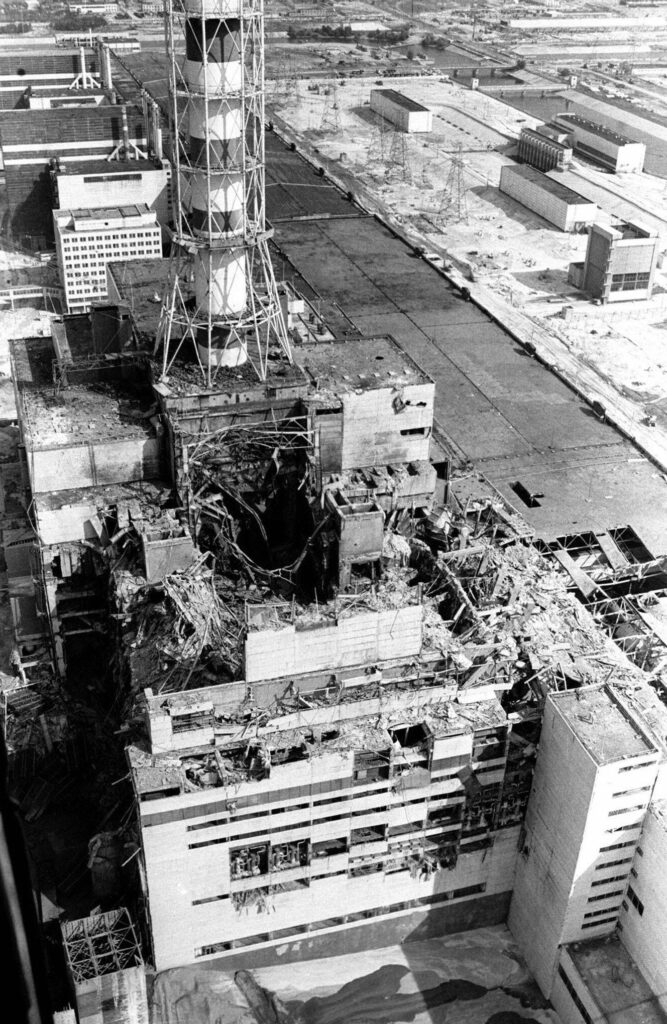
The Chernobyl nuclear accident in Ukraine is one of the most catastrophic engineered system failures in history. Triggered by unsafe testing procedures and flaws in the RBMK reactor’s control systems, the disaster’s lasting legacy extends far beyond technical mistakes: it transformed global approaches to safety culture.
Key lessons include:
- Designing inherently safe reactors with passive safety systems to reduce the chance of human error causing disaster.
- Ensuring independent regulatory oversight so operators cannot compromise safety for operational goals.
- Promoting transparent reporting and international collaboration on safety standards.
The tragedy showed that safety is not just a checklist, but a mindset embedded at every organizational level. Operator training, culture, procedures, and design must work together to prevent disaster.
Key Lessons from Engineering Failures
Across these cases, several key lessons continue to shape modern engineering practices:
- Testing Must Reflect Reality
Modern engineering relies on simulations, real-world testing, and stress analyses that account for changing conditions and long-term wear, ensuring designs perform safely in real environments. - Redundancy and Damage Tolerance
Systems are now built with backups and the ability to degrade gracefully rather than fail catastrophically. Redundancy is a cornerstone of safety across bridges, airplanes, and critical machinery. - Documentation and Review Are Essential
Keeping clear records, tracking changes, and having independent reviews aren’t just bureaucratic steps they save lives. - People and Organizations Matter
How teams communicate, escalate issues, and make decisions directly affects safety and outcomes. Industries now embrace strong safety cultures and structured communication practices. - Codes Evolve Through Experience
Engineering standards grow from past successes and failures. Modern codes in civil, aerospace, nuclear, and mechanical engineering exist because previous mistakes taught engineers what could go wrong
Conclusion
Historical engineering failures are powerful teaching tools. Each disaster whether a bridge collapse, aircraft crash, space shuttle tragedy, or nuclear meltdown exposed not just technical flaws but deeper weaknesses in assumptions, decision-making, communication, and organizational culture.
These failures drove the adoption of rigorous safety margins, redundancy in critical systems, fail-safe and fail-soft design philosophies, and extensive simulations and stress testing. Equally important, they highlighted the human side of engineering: the risks of ignored warnings, deadlines, groupthink, and unclear accountability.
Modern practices address these issues through formal risk assessments, peer review, independent verification and validation and structured safety governance. Professional ethics, inspection protocols, and safety certifications exist today because earlier failures demanded it.
Engineering progress has rarely been a straight path. By studying what went wrong, engineers have turned loss into knowledge. Today’s design practices serve as a living memory, ensuring the hard lessons paid for with lives are embedded into systems meant to protect them.