
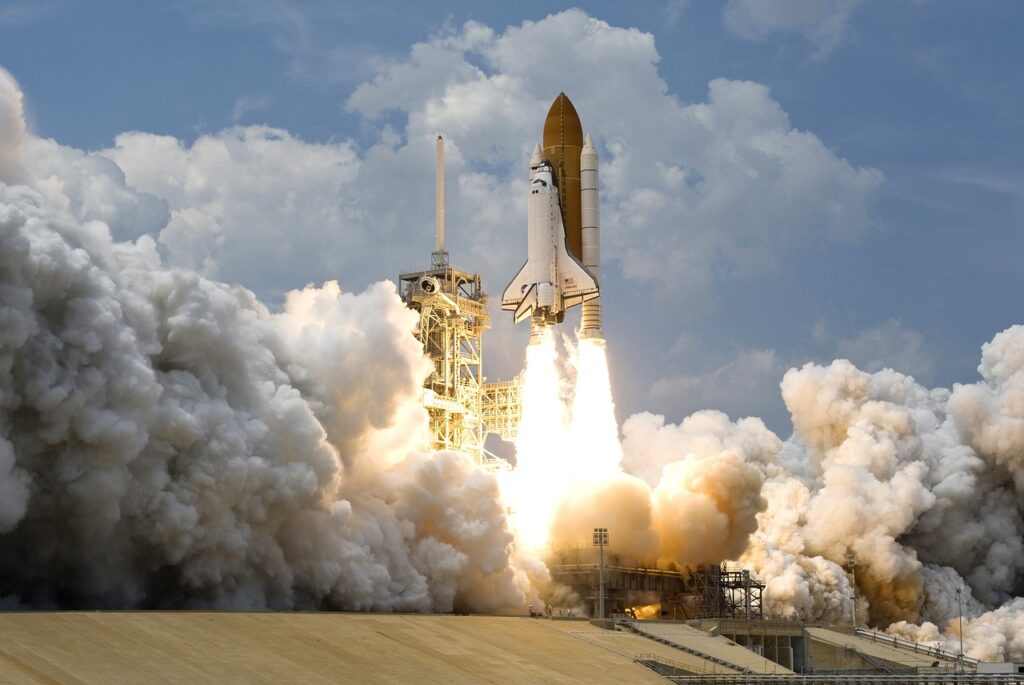
Space exploration has always stirred a deep sense of curiosity and wonder within humanity. From the moment early civilizations first pointed simple telescopes toward the night sky to today’s sophisticated orbiters, lunar landers, and robotic explorers roaming distant worlds, space exploration has remained one of our boldest scientific adventures.
Behind every rocket launch, every spacecraft design, every rover navigating unknown terrain, and every satellite orbiting Earth, magic of mechanical engineering quietly making the impossible possible.
As beautifully stated by European Space Agency, mechanical engineering is not just essential, it is the very it is the very foundation that makes space exploration possible, because in the silent, unforgiving vacuum of space, even the smallest error can have serious catastrophic consequences. Every bolt, every hinge, every piece of machinery must perform flawlessly, because once a spacecraft leaves Earth, there is no room for repair or second chances.
Mechanical engineers design, test, and perfect these systems to withstand extreme temperatures, intense radiation, and the harsh forces of launch and landing, ensuring that astronauts survive, rovers traverse alien terrains, and missions succeed. Without their careful work, humanity’s dreams of exploring the stars would remain just that dreams, never realized in the vastness of space.
Space Exploration & Mechanical Engineers
Mechanical engineering is the art and science of designing machines, motion systems, materials, and structures that work reliably. On Earth, this might mean building cars, engines, or industrial equipment. In space exploration, however, the challenges are far greater. Every design must survive drastic temperatures, zero gravity, intense radiation, and the harsh vacuum of space. Mechanical engineers transform these challenges into practical solutions, creating spacecraft, rovers, and life-support systems that allow humans and robots to safely explore the universe.
Space hazards include:
- No oxygen.
- Zero atmospheric pressure.
- Extreme temperatures.
- Intense radiation.
- Micrometeoroid hazards.
- No natural protection.
Every spacecraft is a sophisticated mechanical system designed to survive these dangers. Mechanical engineers shape the structure of rockets, the hinges of solar arrays, the landing mechanisms of rovers, and the pressure seals of habitats and much more.
In the context of space exploration, the role of mechanical engineers is mostly but not limited to thermal engineering, structural engineering, robotics and control systems, designing propulsion systems, design life support systems and beyond. Mechanical engineers work hand in hand with mechatronics, electronics, computer scientists and others to design these systems, but their role is integral to designing and maintaining the core infrastructure for space exploration.
Key Roles of Mechanical Engineers in Space Exploration
Every major space exploration mission requires teamwork among professionals from multiple engineering and scientific disciplines, with mechanical engineers playing a central role in turning ideas into functional hardware. They collaborate closely with aerospace, electrical, software, and materials engineers to ensure that all systems fit together, operate reliably, and survive the harsh conditions of space. Effective communication and coordination are essential, as even small design changes in one system can impact the entire mission. Through this interdisciplinary teamwork, complex space missions become possible and successful.
1. Structural Design & Integrity
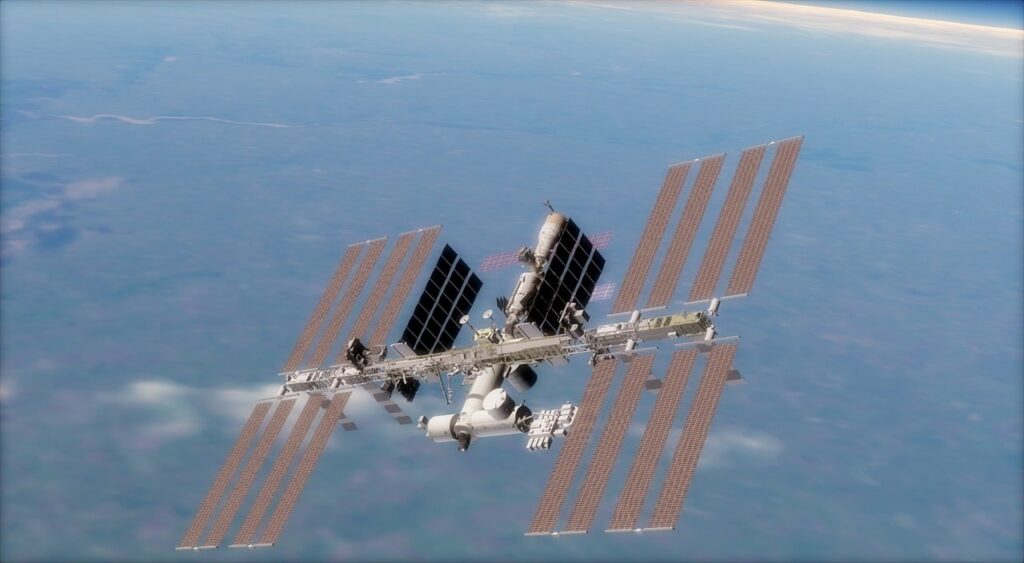
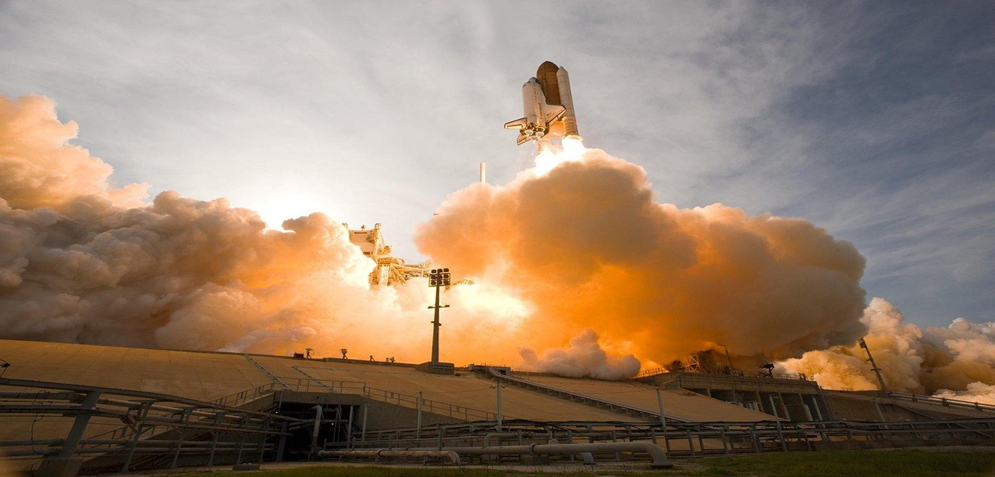
Mechanical engineers working as structural engineers create the “skeleton” that holds a spacecraft together. Their work ensures that every part of the vehicle which can be the shuttle, a rover or even an entire space station like the ISS (Internation Space Station), can survive the violent shaking and crushing G-forces of launch. Once in orbit or on other planets, the spacecraft must continue to function in a silent but dangerous environment.
Engineers carefully select lightweight composite materials, run advanced computer simulations, and test spacecraft components through extreme bending, shaking, heating, and freezing far beyond what they will face in space. This combination of creativity, science, and problem-solving keeps astronauts and equipment safe on their journey beyond Earth.
Simply put, mechanical engineers ensure spacecraft structures are strong, lightweight, and capable of surviving extreme forces during launch, travel, and landing.
2. Thermal Control & Environment Management
Temperature control in space is one of the most difficult engineering challenges. A spacecraft can freeze in darkness and then scorch in sunlight within minutes. Mechanical engineers design systems that protect both equipment and astronauts from these sudden, extreme temperature swings. They carefully craft insulation layers, radiators, heaters, and cooling loops to maintain safe operating conditions. Without this delicate balance, electronics could fail, materials could crack, and life-support systems could stop working. Temperature control isn’t just a technical task—it is a lifeline that keeps missions alive.
It includes designing multilayer insulation, radiators, heat shields, thermal pipes for heat transfer and thermal control systems.
3. Propulsion & Mechanical Systems
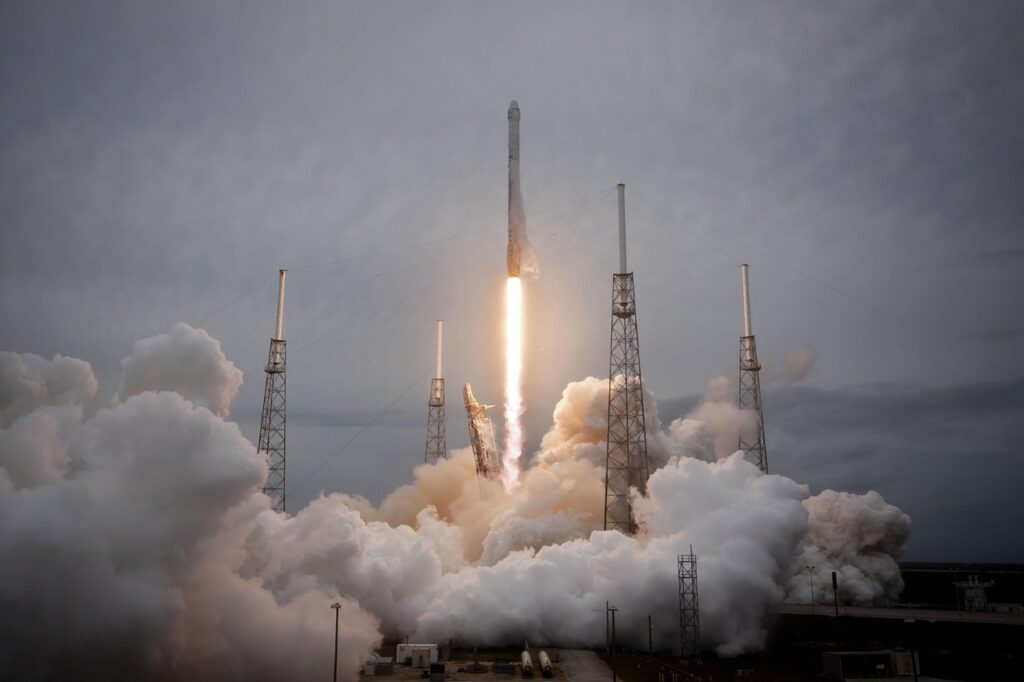
Rocket engines are among the most demanding and unforgiving systems in space exploration. Mechanical engineers design, refine, and push these engines to their limits. They carefully balance power, safety, and efficiency because rockets must generate enough force to lift tons of equipment off Earth while keeping astronauts safe. Their work involves countless tests, calculations, and adjustments, knowing that a single engine determines whether a mission even leaves the ground.
The responsibilities of mechanical engineers designing, maintaining and optimizing:
- Turbopumps
- Fuel tanks
- Propellant management systems
- High-precision thrusters
4. Robotics, Rovers & Control Mechanisms
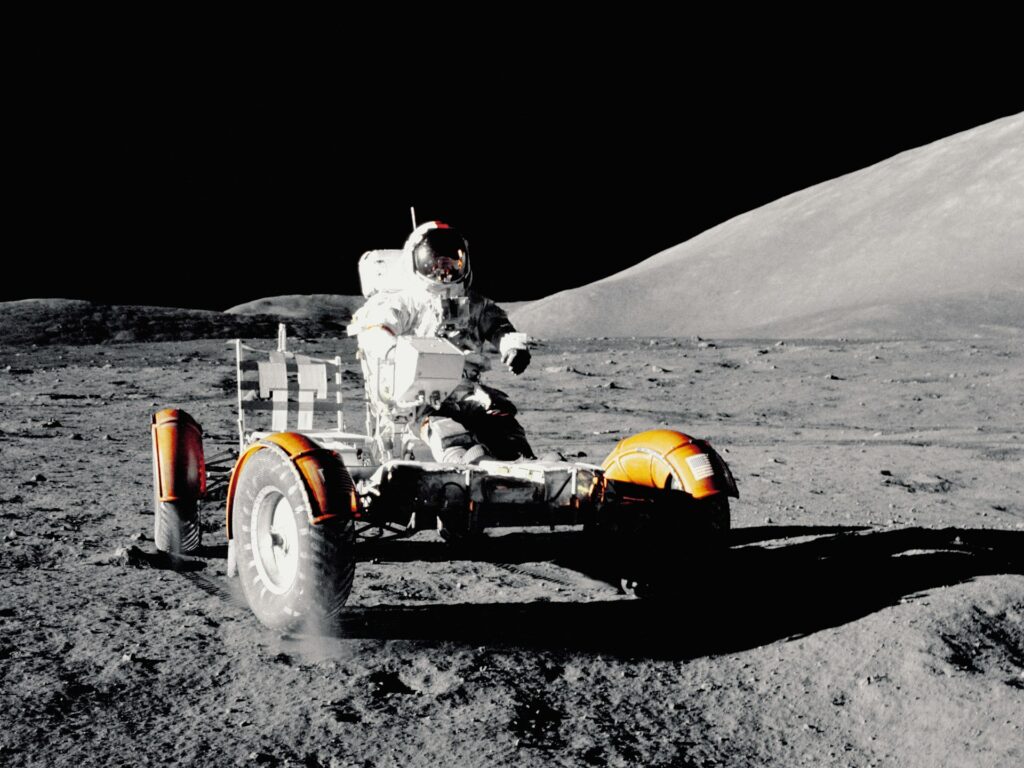
Planetary exploration requires robots capable of movement, drilling, sampling, and surviving alien terrains. Each mechanism is designed with care because these robots act as our eyes and hands on distant worlds.
When a rover climbs a hill, drills into a rock, or discovers something new, it reflects countless engineering decisions made by people millions of miles away.
Mechanical engineers create:
- Suspension systems
- Mobility wheels
- Robotic arms
- Deployment systems
- Landing mechanisms
5. Life-Support & Human Systems
With crewed missions becoming central to modern space exploration, every valve, pump, and filter must work flawlessly, because a small failure in space can become life-threatening.
Mechanical engineers consider the human side of exploration: keeping astronauts safe, comfortable, and focused on their mission. They develop system that maintain life:
- Air circulation & filtration
- Pressure vessels
- Climate control
- Water recycling
- Waste management
Materials Selection & Lightweight Design
Weight plays a huge role in determining whether a space mission is even possible and how much it will cost. Every extra kilogram means more fuel, more power, and more money. In many ways, reducing weight isn’t just engineering it’s enabling exploration by making room for the discoveries and people we send into space.
Engineers search for materials that are:
- Strong
- Lightweight
- Radiation-resistant
- Temperature-stable
Challenges Faced by Mechanical Engineers in Space Projects
Mechanical engineers play a vital role in space projects, but the challenges they face are unique and demanding. Designing systems that can survive extreme temperatures, vacuum conditions, and intense vibrations requires exceptional precision. Limited room for error, strict weight constraints, and the impossibility of on-site repairs make space engineering one of the toughest fields in engineering.
Extreme Environments
Space exposes spacecraft and equipment to conditions far beyond anything on Earth. Temperatures swing from blistering heat to freezing cold, and intense radiation can damage electronics and materials. Mechanical engineers have to design systems and select materials that can withstand these extremes, ensuring that spacecraft continue to function when the environment is most hostile.
No Opportunity for Repair
Millions of kilometers from Earth, there’s no mechanic or repair shop to fix a broken system. A single failure can jeopardize an entire mission. Engineers must anticipate every possible problem and design redundancies and safeguards so that astronauts and equipment stay safe even when something goes wrong. the entire mission may fail as this can be one of the biggest risks in space exploration.
Weight vs Strength
Spacecraft must be extremely strong yet extremely light, and achieving this balance is one of the core responsibilities of mechanical engineers in space exploration. They design structures that can withstand enormous launch forces, intense vibrations, and extreme temperature variations while adding as little mass as possible, since every extra kilogram increases mission cost and fuel requirements. This requires careful material selection, advanced structural analysis, and innovative design techniques such as lightweight composites and optimized load paths. Through this work, mechanical engineers ensure spacecraft are both durable enough to survive harsh space conditions and efficient enough to travel beyond Earth.
Making Systems Work as One
A spacecraft is a complex combination of mechanical, electrical, software, and propulsion systems. For a mission to succeed, all these parts must work together flawlessly. Mechanical engineers play a key role in integrating these systems, ensuring that engines fire correctly, instruments operate reliably, and life-support systems protect the crew because in space, coordination isn’t optional; it’s essential for survival.
Mechanical Engineering in the Future of Space Exploration
The next era of space exploration will mark a major shift from short missions to long-term human and robotic presence beyond Earth. Plans for permanent or semi-permanent lunar bases aim to support scientific research, technology testing, and preparation for deeper space missions. Mars colonization represents an even greater challenge, requiring sustainable habitats, life-support systems, and reliable transportation to allow humans to live and work on another planet for extended periods.
At the same time, emerging concepts such as asteroid mining could provide access to rare materials and resources needed for both space and Earth-based industries. Deep-space telescopes will push the boundaries of our understanding of the universe by observing distant galaxies, exoplanets, and cosmic phenomena with unprecedented clarity. Space tourism is also becoming a reality, opening space travel to private individuals and driving innovation in spacecraft safety, comfort, and reusability. Together, these developments signal a transformative future for space exploration driven by advanced engineering and global collaboration.
Mechanical engineers will play a key role in building the technologies that make future space missions possible. They will help design and develop 3D-printed lunar habitats using local materials to reduce construction costs and support long-term human presence on the Moon. Advanced robotic explorers will rely on precise mechanical systems to navigate extreme terrains, collect samples, and perform repairs in environments too dangerous for humans.
In addition, mechanical engineers will contribute to radiation-shielded spacecraft that protect astronauts during long-duration missions, as well as reusable rockets that lower launch costs and increase mission frequency. Their expertise will also drive next-generation propulsion systems, enabling faster, more efficient travel to distant planets and deep space destinations.
Conclusion
Mechanical engineering is the silent powerhouse of space exploration, quietly turning ambitious dreams into reality. It designs every rover wheel that rolls across alien terrain, every engine part that propels rockets beyond Earth’s gravity, every wall of a space habitat that shields astronauts from the void, and every robotic arm that collects samples from distant worlds.
Mechanical engineers combine creativity, precision, and problem-solving to overcome challenges that seem impossible extreme temperatures, crushing forces, and zero gravity. Without their ingenuity and dedication, humans could never leave Earth, and the universe would remain out of reach. In many ways, mechanical engineering doesn’t just support space exploration it makes it alive, tangible, and full of possibility.
Their work transforms humanity’s curiosity about the universe into real missions, real discoveries, and real progress. As we push farther into the unknown, mechanical engineering will continue to drive the evolution of space exploration turning dreams into engineering realities.
Inspired by space exploration? Build the mechanical engineering fundamentals behind it.
Enroll in my COMPLETE CRASH COURSE ON MECHANICAL ENGINEERING and learn the core skills every engineer must master.